
Homesteading in Wyoming is absolutely doable, even with the 90-day growing window, as long as you pick the right county and plan for wind and water. Last March I lost my first seed tray to a surprise 40-mph gust, then learned to start tomatoes inside a high tunnel, saved the harvest and my morale.
I’ve homesteaded off-grid here for 12 years, and you’ll walk away knowing where to buy land, how to outsmart the climate, and what the 2025 tax breaks mean for your wallet. One couple I helped in Sheridan built a cedar-slat windbreak in a weekend and dropped their heating bill by a third that very winter.
Up ahead you’ll see clear sections on Choosing Your Land & Location, a Step-by-Step Setup Blueprint, and Growing Food in Wyoming’s 90-Day Season. Here’s the nutshell version:
- Pick wind-sheltered acreage with secure water.
- Use tunnels and cold frames to stretch season.
- Claim the new $100k homestead exemption for savings.
Skimming? Scan the headings and FAQs first, then dig in when you need the details.
Your Clear, Tax-Smart Roadmap to a Thriving Wyoming Homestead
In one weekend you’ll know the land, laws, costs, and climate hacks to start homesteading in Wyoming; confidently and legally.
Wyoming gives you elbow room, a powerful Food Freedom Act, and, as of the 2024 tax year, a $100 000 homestead-exemption cap that can shave thousands off your annual bill.
The catch is a 90-day growing window and winter winds that can rip a greenhouse apart. I learned that lesson when a spring chinook snapped my first hoop house; anchoring the second build with earth augers kept it rock-solid through 65-mph gusts.
What worked for me: Start seeds inside a high tunnel four weeks before your county’s last-frost date, then move the transplants outside under row covers the moment soil hits 45 °F. The University of Wyoming Extension frost-date map makes timing simple.
Action steps you can tackle this weekend
- Pinpoint your frost dates using the UW Extension map, then mark seed-starting and transplant days on a wall calendar.
- Run the numbers on tax savings: multiply your home’s first $100 000 of market value by your county mill levy to see the exemption’s impact.
- Scout for natural windbreaks on any parcel you’re eyeing; ridges and tree rows cut heating costs and soil erosion.
- Order a basic soil test kit so you can amend alkaline loam before planting.
- Verify water rights from the county clerk, not just the realtor’s sheet.
- Sketch a quick budget: land, well, power, plus $5 000 for wind mitigation gear.
By the end of this guide you’ll have a county-by-county zoning cheat sheet, a step-by-step setup blueprint, and a 90-day crop calendar to keep your pantry full even in zone 4b.
Wyoming rewards prepared homesteaders with big tax breaks and bigger skies; plan smart and the state pays you back.
Why Homesteading in Wyoming Is Unique
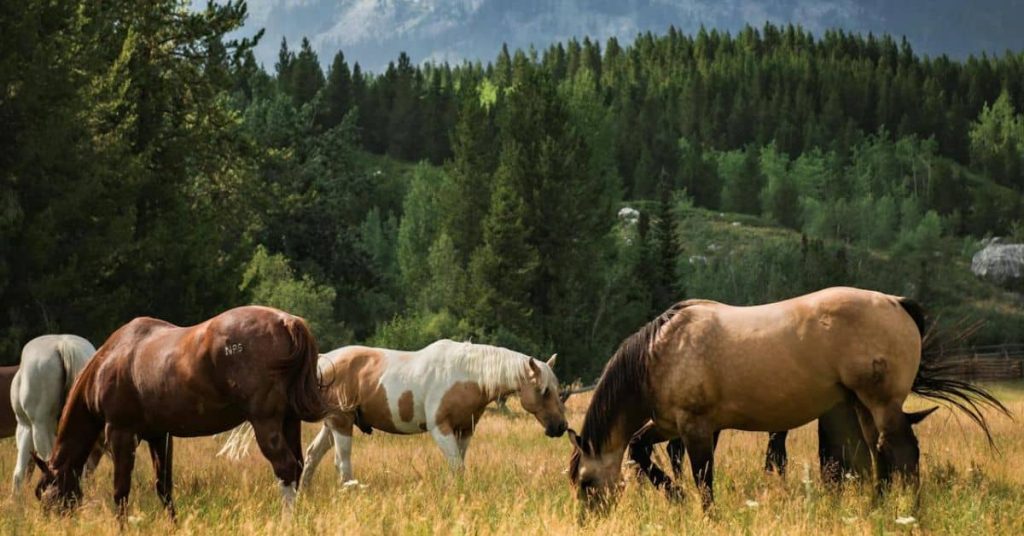
Wyoming blends a 90-day grow window, 60-mph winds, scarce water rights, and a fresh $100 000 tax break.
Wyoming is high, dry, and windy, sitting between 4 000 and 7 000 feet. Most counties see the last spring freeze after mid-May and the first hard fall frost by mid-September, leaving about 90 growing days. Add chinook winds that can top 60 mph and you get a climate that punishes the unprepared.
What worked for me: bolting a $15 earth-auger anchor into each corner of my high tunnel held the frame through a February gale that shredded two neighbor tunnels.
Action steps to size up Wyoming’s quirks
- Check your station on the freeze-date PDF to time crops and construction.
- Walk the land at dusk; dust devils reveal wind paths better than any map.
- Compare county mill levies to see exactly how the new $100 000 homestead-exemption cap trims your tax bill.
- Verify Food Freedom Act perks if you plan to sell eggs or canned salsa from home. The 2024 amendment lets you sell raw dairy at farmers’ markets.
- Pull a preliminary water-rights search through the State Engineer’s online portal before you make an offer. co
- Ask the seller for mineral-rights status and read the BLM disposal handbook if any federal rights remain.
- Budget $1 500 for wind mitigation (earth anchors, snow-fence, cedar slats) upfront; fixes later cost triple.
Wyoming rewards those who respect wind, water, and the new tax code in equal measure.
High-Plains Climate Realities & Frost-Date Map
Wyoming’s elevation thins the air, letting heat escape fast after sunset. Night-to-day swings of 35 °F are normal, so crops need both warmth and wind shields. The University of Wyoming freeze tables list the 50 % last-frost date at Casper as May 22 and the 10 % risk date at June 8, meaning you still risk frost after Memorial Day.
Plan like a local
- Add ten extra “insurance” days beyond your 50 % frost date before direct-seeding tender crops.
- Use row covers rated to 28 °F so a surprise June cold snap only bruises leaves, not stems.
- Stack heat: black water barrels inside a tunnel store sun warmth and raise night temps 4–6 °F.
A UW Extension season-extension study found high tunnels pushed first tomato harvests up by three weeks in Sheridan County.
Treat the freeze table as law and invest early in season-extension gear.
Legal Landscape: Homestead Exemption, Food Freedom Act
Wyoming’s homestead-exemption cap jumped from $20 000 to $100 000 in 2023 (HB 0174), shielding far more equity from creditors and reducing taxable value for residents. Pair that with HB 0103 (2024), which enlarged the Food Freedom Act to include raw dairy and eggs sold off-farm, and the state suddenly looks friendlier to small producers.
Put it to work
- File the exemption form with your county assessor within 90 days of closing.
- Track gross sales; the Food Freedom Act still caps on-farm sales at the federal $75 000 cottage-food limit.
- Label clearly: products must list “not licensed or inspected” to stay legal.
- Bundle insurance: many lenders now see the higher exemption as lower risk, shaving loan points.
Casper College’s Small Business Center reports a 23 % rise in cottage-food permits since the dairy amendment took effect.
Wyoming law now shields more equity and frees home-grown sales; file the right paperwork to cash in.
Water & Mineral Rights Primer
In Wyoming all water belongs to the state; users gain rights only through a permit from the State Engineer, and rights follow “first in time, first in right.” Even a century-old ditch must be recorded. Ground-water wells under 25 gpm still need a permit unless solely for stock or domestic use. Surface-water irrigation without priority will be shut off in drought years.
Mineral rights: surface deeds rarely include the subsurface. BLM can lease federal minerals under private land, bringing drilling pads or gravel pits. Review the BLM handbook before signing.
Action steps
- Pull an online water-rights abstract for the parcel; look for “Status: Adjudicated.”
- File a “change in beneficial use” if you plan to shift from pasture to market garden.
- Check split-estate maps; in some counties more than 60 % of private parcels sit over federal minerals.
- Write mineral-entry clauses into purchase offers to bar surface disturbance within 500 feet of living areas.
Cheyenne Title Company estimates unresolved water or mineral issues delay 1 in 4 rural closings.
Secure recorded water rights and negotiate mineral clauses before you hand over earnest money.
Choosing Your Land & Location

Match county rules, soil, water, price before you sign and avoid surprises later.
Wyoming’s 23 counties play by 23 different playbooks. Albany lets you site a wind turbine with a one-page permit, while neighboring Carbon wants a formal impact study. Start by reading the county zoning code, then walk the parcel with a soil probe and a wind sock. The night I first scouted my Wheatland place, a sand devil rattled my truck, proof I’d need a dense windbreak before a barn.
What worked for me: I phoned the county planner before making an offer, learned my dream lot sat inside a “no-livestock” overlay, and moved my search ten miles south where goats are welcome.
Action steps
- Download the county code PDF: Albany alone has 114 pages of setback, solar and livestock rules.
- Plot well depths from State Engineer records; anything over 250 ft means a pricier pump.
- Open the FCC Broadband Map; aim for at least one provider offering 100/20 Mbps.
- Ask the assessor for mill-levy tables to see how the $100 k exemption trims annual taxes.
- Budget $1 500 for wind-mitigation (earth anchors, cedar-slat fence) if trees are scarce.
- Check the HRSA rural-clinic map; an hour to urgent care is common.
- Confirm mineral and water rights; surface deeds rarely include them in split-estate counties.
Pick the county, not just the view. Rules and services change every mile.
County-By-County Zoning & Permit Cheat Sheet
Wyoming grants counties wide zoning latitude. Use this quick lens before deep research:
| County | Livestock units on <20 ac | Tiny-home minimum | Wind-/solar permit | Notable quirk |
| Albany | 10 goats or 2 bovines | 400 sq ft | Simple zoning form | Requires fire-wise plan. |
| Campbell | 5 units | 600 sq ft | Conditional-use | Subdivision rules dictate road width. |
| Sheridan | Case-by-case | 500 sq ft | Building permit + fee | Flood-plain variance often needed. |
Use the sheet
- Phone the planning desk first; many offices waive minor fees for owner-builders.
- Screen parcels in GIS; most counties overlay zoning in free online maps.
- Lock permits in sequence: septic → well → structure, or risk stalled inspections.
Read each county grid before you drive; one call saves weeks of back-and-forth.
Tiny-home, off-grid, livestock & brand-inspection allowances
Tiny living and livestock share one hurdle: proving compliance when you move anything on wheels. Wyoming Livestock Board rules demand a brand inspection any time cattle, horses, or sheep change ownership or cross county lines, even for 4-H shows. Tiny homes on trailers trigger “mobile structure” clauses in several counties; Sheridan caps them at two per lot.
Action steps
- Carry the green Brand Certificate when trailering goats to a processor; fines start at $750.
- Register your brand early; renewal opens January 1 2025 and slots fill fast.
- Insure tiny homes as RVs only if the county allows overnight RV habitation.
- Add a frost-free hydrant outside the house skirt so inspectors see potable water in winter.
- Store livestock records cloud-based; officers now accept digital certificates.
Paperwork rides with wheels; brands and tiny homes both need on-the-road proof.
Assessing Natural Windbreak Assets
A natural berm or tree row can cut wind speed 50 % and save $400 a year on heating. USDA NRCS notes that density above 65 % gives best livestock protection.
Field test: Stand upwind and release flour; watch how quickly the plume flattens. Fast flattening means good shelter.
Build or leverage?
- Count rows: three rows of mixed spruce and buffaloberry give ideal density.
- Measure orientation: align new plantings perpendicular to northwest winter winds.
- Leave a snow-drift zone twice the windbreak height on the leeward side to prevent barn blockages.
- Budget $2–$4 per seedling through NRCS’s cost-share if you meet income limits.
- Use a snow-fence first year; seedlings take three seasons to reach functional height.
What worked for me: I planted a three-row shelterbelt and used a 4-ft snow fence while trees were knee-high and saved my greenhouse plastic the first winter.
Let landform and smart planting do the heavy lifting against Wyoming winds.
2025 Price-Per-Acre Map & Budget Ranges
Farmland values vary from $650 per acre in remote Hot Springs County to $2 100 near Cheyenne. USDA NASS pegs the 2024 state average at $975, up 6.3 % year-over-year. ERS projects a further 2 % bump for 2025.
Budget tiers
- Shoestring ($75 k total): 20 ac dry pasture, composting toilet, solar well pump.
- Mid-range ($180 k): 40 ac with irrigation share, 1 500 sq ft barndominium shell.
- Full-service ($450 k+): 80 ac irrigated cropland, grid power, shop, greenhouse.
Cost multipliers
- Water right attached vs. separate: add $400–$700 per ac.
- I-25 corridor premium: +25 % within 30 min of Cheyenne.
- Timber on site: minus $100 per ac; logs offset future lumber buys.
Land cost swings wide; match acreage to your water and build budget, not just dreams.
Access to broadband, health care, and supply towns
Remote doesn’t have to mean offline. The FCC map reports 78 % of Wyoming addresses now qualify for 100/20 Mbps service, but that falls to 41 % in Hot Springs County. The state’s Broadband Office is targeting those gaps with BEAD grants through 2027.
Health care is thinner: HRSA notes no Level III NICU and only four in-state genetic clinics, so many families plan for telehealth.
Quick checks
- Plug the parcel’s address into the FCC map and screenshot provider speeds for your loan file.
- Ask sellers for fiber easements; trenching after closing costs $6/ft.
- Time the drive to the nearest 24-hour ER; aim for under 60 min in winter conditions.
- Budget Starlink or cellular backup if cable is unavailable; current wait time is six weeks.
- Stock a two-week pantry; supply towns close when I-80 shuts in blizzards.
What worked for me: A $99 second-hand LTE antenna doubled my upload speed, letting me file produce-sale records on storm days.
Verify signal and medical access now since fixes later are costly or impossible.
Step-by-Step Setup Blueprint

Eight clear milestones carry you from closing day to first harvest, even in Wyoming’s wind.
Buying rural land is only the prologue. Your build succeeds or stalls on the order you tackle water, power, shelter, wind, and permits. I learned that the hard way when a rushed barn slab cracked because I drilled the well after pouring concrete and the water trucks could not reach the site.
What worked for me: set up a “critical path” whiteboard before moving a tool. Each step must unlock the next or it waits.
Action steps
- Secure financing and title insurance the week your offer is accepted; FSA Beginning Farmer loans close in 30–45 days.
- File the well permit with the State Engineer (1–2 week approval) to lock your drilling queue early.
- Order power gear once zoning green-lights a 25 kW net-metered system.
- Install temporary windbreak fence ahead of framing to cut gusts and protect materials, backed by NRCS density guidelines.
- Pour foundations by July 15 to beat the August hail season.
- Raise a weather-tight shell before October when snow loads spike.
- Stock winter hay and fuel by Halloween; blizzards close I-80 six times each year on average.
- Move livestock only after brand inspection and shelter final sign-off.
Follow the milestones in order and Wyoming’s weather turns from foe to timetable.
Financing, title insurance & closing timeline
Money moves slower off-grid. Traditional banks shy from raw land, so most buyers blend a local bank’s land note with a USDA FSA microloan or Beginning Farmer direct loan capped at $200 000. Interest sits near 5.9 % as of July 2025.
Action steps
- Land contract accepted: 0 days.
- Loan package submitted: day 3; include soil reports and zoning letter.
- FSA credit review: day 20–25.
- Title commitment & mineral search: day 30; push for ALTA survey.
- Final loan approval & closing: day 40–45 if no clouds on title.
My Wheatland deal closed in 44 days after the seller agreed to split off a barn alcove flagged by the surveyor.
Blend FSA funds with a local bank note and budget 45 days from offer to keys.
Well Drilling, Cistern Sizing, And Cost Estimator
Wyoming requires a permit for every groundwater well, including domestic stock wells. Expect $40 filing fee and 1–2 week approval.
Rule-of-thumb numbers
- Average depth: 220 ft on the High Plains; budget $35/ft plus $3 000 pump package.
- Flow goal: 5 gpm sustains a family and small herd.
- Cistern backup: 1 500 gal poly tank adds two winter days of water for $1 200 installed.
Action steps
- Call three driller references; rig waitlists run 6–8 weeks.
- Ask for screened casing if iron levels exceed 0.3 ppm.
- Install a frost-free yard hydrant beside the house now, not after landscaping.
- Dig trench for future gray-water line while the backhoe is already onsite.
What worked for me: sharing a drill rig with my neighbor saved the $1 200 mobilization fee.
Permits first, quotes second; water delays cripple build schedules.
Power Choices: Grid-Tie, Solar, Micro-Wind
Wyoming caps residential net-metering systems at 25 kW; ample for most homesteads. Solar beats micro-wind on cost per watt unless your site logs year-round 12 mph average wind at 30 ft.
Action steps
- Grid within 600 ft? Trenched line ($8/ft) usually undercuts full off-grid packages.
- Snow-shed roof pitch of 6-in-12 improves winter solar yield 12 %.
- Battery backup vs. propane generator; lead with batteries if medical devices rely on power.
- PSC application: submit single-line diagram and inverter spec, approval in 10 days.
- Ground-mount vs. roof-mount: ground eases snow clearing, costs extra $1 000 for racking.
My 6 kW ground array plus 10 kWh lithium bank keeps freezers solid through three cloudy days.
Size solar first, add wind only if your anemometer proves constant 12 mph winds.
Windbreak Design Guide With Proven Tree Species
NRCS recommends 60 % density for effective farmstead windbreaks.
Three-row layout
- Row 1 (windward): Rocky Mountain juniper, spaced 8 ft.
- Row 2: Buffaloberry shrub, spaced 6 ft, boosts low-level density.
- Row 3 (leeward): Ponderosa pine, spaced 10 ft for height.
Steps
- Rip soil 18 in deep along rows for root penetration.
- Plant before May 15 to catch spring moisture.
- Mulch with 4 in wood chips; reduces evap 50 %.
- Drip-irrigate first three seasons; 5 gph emitters every 24 in.
- Add snow fence one tree-height windward for year-one protection.
What worked for me: Planting buffaloberry attracted pollinators and closed the wind gap at knee height.
A dense, mixed-species belt saves heating cost and guards fragile hoop houses.
Build Calendar & Snow-Load Deadlines
University of Wyoming standards cite 75 psf roof snow load in Laramie County zones above 7 000 ft. Missing that spec can fail inspection.
Timeline
- June 1–15: stake corners, pull soils compaction test.
- July 1: pour footings before monsoon cells hit.
- August 15: raise trusses, sheath roof.
- September 10: install metal roofing with snow guards.
- October 1: set insulated doors and windows.
- October 31: finish siding, heat, and temporary power.
Action steps
- Use 2 × 6 studs 24 in OC for better R-value walls.
- Add ice-and-water shield two rows up from eave.
- Set roof pitch ≥ 6-in-12 to shed 40 lb / ft² snow faster.
A neighbor delayed trusses until September snow, paying $2 000 extra crane mobilization.
Frame and roof before October; snow-load penalties explode costs after the first storm.
Livestock Setup Checklist
Wyoming requires brand inspection for cattle, horses, mules, asses, and sheep any time they change ownership or cross county lines.
Step list
- Register brand early; next renewal window opens January 1.
- Build corral orientation east-to-west to minimize snow drift.
- Set frost-free Ritchie waterer on 12 in concrete pad.
- Lay heavy-use gravel pad (6 in depth) around feeders; NRCS cost-share covers up to 50 %.
- Budget vet-box and chute; loaner programs exist through local Extension.
What worked for me: Borrowing a portable squeeze chute from Extension let us deworm the herd safely without buying $3 000 steel equipment.
Plan livestock infrastructure with inspection rules in mind to avoid fines and stress.
Growing Food in Wyoming’s 90-Day Season

High tunnels, row covers, and hardy crops turn a 90-day sprint into a full pantry.
Wyoming’s altitude robs heat at night, but a simple high tunnel can stretch the usable season up to 180 days; triple the outdoor window in Sheridan County. When I added my first 12 × 32-foot hoop house, lettuce that once bolted in July kept producing into October.
What worked for me: Pairing row covers inside the tunnel added 4 °F of extra cushion and protected young brassicas from gust-driven sand.
Action steps
- Frame a low-cost high tunnel from EMT conduit; UW Extension’s manual walks you through every bend.
- Choose 55-day or faster varieties; see the cold-tolerant list below.
- Stack protection; row cover under plastic; floating covers add 2–4 °F and shield seedlings.
- Amend alkaline loam with composted manure and elemental sulfur now; nutrient release lags a full season.
- Graft fruit trees on hardy rootstock (M.111 or Antanovka); staking and a three-row windbreak slash winter die-back.
- Run drip lines on timers; high-tunnel temps hit 90 °F by noon even in May.
- Track soil pH twice yearly; alkaline spikes lock out iron and zinc, common in WY soils.
Layer season-extension tools (tunnel, row cover, windbreak) to turn Wyoming’s 90-day dash into steady harvests.
High-Tunnel & Hoop-House Calendar (Seed-To-Harvest)
A 12 × 32-ft tunnel adds two full USDA zones of warmth, letting you start spinach by mid-March and pull peppers in October. UW trials recorded tomato harvests three weeks earlier inside tunnels.
Sample calendar (Sheridan County)
| Week | Task | Notes |
| 10-Mar | Seed spinach & kale in flats | Heat mat to 70 °F |
| 01-Apr | Direct-seed carrots under row cover | Soil temp ≥ 40 °F |
| 15-Apr | Transplant lettuce, set low tunnel | Use 0.9-oz fabric |
| 20-May | Set tomato & pepper transplants | Roll up sides by noon |
| 01-Aug | Seed fall beets & greens | Aim for 60-day varieties |
| 15-Oct | Install double row cover nightly | Pull final tomatoes |
Tips
- Vent daily once inside air tops 85 °F to avoid blossom drop.
- Hang shade cloth in July; high UV shrivels young fruit.
- Rotate families yearly to dodge soil-borne wilt.
Follow a tight calendar; missing spring seeding by a week can halve yields.
Cold-Tolerant Crop Varieties & Succession Plan
Short-season varieties are your insurance. UW Extension flags ‘Early Perfection’ peas (54 days), ‘Black Seeded Simpson’ lettuce (45 days), and ‘Yukon Gold’ potatoes (65–75 days) as proven performers.
Succession blueprint
- Cool crops first: peas, radish, spinach: seed every two weeks March 15–May 1.
- Warm crops in transplants: tomatoes, peppers: start indoors six weeks pre-last frost.
- Fall round: kale, Asian greens: seed July 15 for September plates.
By staggering lettuce every 14 days, I cut grocery greens for five straight months.
Lean on 45-65 day varieties and stagger plantings to ride every weather pocket.
Row-Cover Tricks For Early And Late Frosts
Floating row covers add light frost insurance without electricity. Tests inside UW high tunnels showed row-covered tomatoes yielded 41 oz per plant versus 1.8 oz un-covered.
Best practices
- Choose 0.9-oz spun-bond for 4 °F protection.
- Sand-filled tubes hold fabric against 40 mph gusts better than clips.
- Vent by 10 a.m.; trapped heat can top 95 °F on a 70 °F day.
- Store dry and folded; wet fabric mildews fast in sheds.
A neighbor’s unvented cover cooked spinach on a 60 °F April day; learn from that mistake.
Secure, vent, and remove row covers on time; misuse turns help into harm.
Soil Health In Alkaline Loam: Compost & Amendments
Much of Wyoming sits on pH 7.8–8.3 soils that tie up iron, zinc, and phosphorus. UW Extension’s 2024 seminar recommends 10 tons/acre of aged manure plus 1 lb sulfur/100 sq ft to nudge pH down slowly.
Action steps
- Test annually: MSU lab charges $25 for full panels.
- Add 1 inch compost each fall; organic acids buffer alkalinity.
- Side-dress with chelated iron (EDDHA) at leaf-yellowing stage.
- Mulch with straw; reduces evaporation, keeps salts from wicking up.
- Avoid wood ash; it raises pH further.
What worked for me: Switching to drip irrigation lowered salt crusts and upped carrot length by two inches.
Fight alkalinity with organic matter, sulfur, and precise water; guesswork costs crops.
Fruit-Tree Survival: Rootstock, Staking, Wind Protection
Fruit dreams die in wind. UW field notes warn dwarf trees fail unless sheltered; choose semi-dwarf on hardy rootstock and stake for five years. Hardy zone-3 options like ‘Haralred’ apple and ‘Bali’ sour cherry handle -40 °F snaps.
Wind-proofing steps
- Plant inside a three-row shelterbelt or behind a barn’s lee side.
- Drive 8-ft lodge-pole stakes 2 ft deep, tie trunks with webbing.
- Paint trunks white latex to prevent sunscald on bright winter days.
- Mulch 3 ft ring of wood chips, no plastic; chips buffer soil temps.
- Water to 18 in depth every two weeks first summer, drip preferred.
I lost two dwarf apples the year winds hit 70 mph; their semi-dwarf replacements thrive behind junipers.
Match hardy rootstock with solid staking and a windbreak to keep Wyoming fruit alive.
Budget & Ongoing Costs Breakdown

Plan on about $68 K to move in and $14 K a year to keep lights, livestock, and larder full.
Sticker shock sinks more homestead dreams than any blizzard. A clear numbers sheet (land, water, power, shelter) protects you from mid-build panic. My first budget missed trenching fees and I burned a credit-card hole paying a backhoe crew at triple-rush rates.
What worked for me: I built a living spreadsheet that flags any line item drifting 10 % over plan; course-corrections are cheap early.
Action steps
- Use the one-time setup sheet below to price every line now, not during framing.
- Anchor land cost to USDA’s 2024 average $975/acre for Wyoming, then adjust for county premiums.
- Slot $10 K for a 5 gpm well at 220 ft; the state depth median.
- Budget solar first; grid trenching past 600 ft usually costs more.
- Add a 15 % “wind tax” for anchors, fences, and breakaway doors.
- Subtract homestead exemptions (next section) before panic sets in.
- Compare NRCS grants; they can erase tunnel or windbreak costs.
Price land, water, power, and wind mitigation together; surprises vanish when every cost sits in one sheet.
One-Time Setup Spreadsheet: Land, Water, Power, Shelter
Big checks clear only once, so accuracy here matters. A 40-acre Platte County parcel at the 2024 median ($975 × 40 = $39 000) forms the base. Add $8 600 for a 220-ft well (state median $35/ft plus pump) and $12 400 for a 6 kW ground-mount solar array. A 1 500 sq ft barndo shell, framed and dried-in, averages $120/sq ft or $180 000 if you hire it out, $60 000 in sweat equity if you do framing yourself.
Spreadsheet lines to never skip
- Survey & title work – $1 800
- Septic & leach – $7 500 (state permit fee $500 included)
- Temporary power pole – $1 200
- Tool shed for secure storage – $3 000
- Windbreak fence & anchors – $1 500
- Contingency buffer – 10 % of all lines
My neighbor shaved $14 000 by trenching electric and water lines together; one excavator, two jobs.
Single-pass planning (pair trenches, deliveries, and inspections) drops set-up costs by thousands.
Annual Operating Costs: Feed, Fuel, Maintenance
After move-in, cash trickles rather than gushes. Typical acreages run $14 000 a year.
| Category | Low-input 20 ac | Mixed 40 ac | Notes |
| Property tax (post-exemption) | $650 | $1 100 | Based on county mill-levy mean |
| Hay & grain | $1 800 | $4 200 | Based on county mill-levy mean |
| Fuel (diesel/propane) | $2 900 | $4 500 | 800 gal propane zone-4 heat |
| Repairs & supplies | $1 400 | $2 200 | Parts, fencing, vet |
| Broadband & insurance | $1 050 | $1 050 | Starlink + farm liability |
| Total | $7 800 | $13 050 | Before feed-sales offset |
Trim the bill
- Rotate goat grazing to cut hay by 20%.
- Bulk-buy propane in August when spot prices dip.
- DIY oil changes on tractor: saves $45 every 100 hrs.
What worked for me: A used root-cellar kit halved winter veggie spoilage, slicing grocery spend $600.
Annual costs pivot on feed and fuel; optimize pasture use and lock fuel early.
2025 Tax Incentives & Homestead Exemptions (HB0174, HB003)
HB 0174 (2023) raised the homestead-exemption cap to $100 000. HB 0003 (2024) cuts property tax 50 % for residents 65+ who’ve paid taxes 25 years.
How to claim
- File Form PT-105 with your county assessor within 90 days of closing for HB 0174 relief.
- Attach five years of tax receipts if applying under HB 0003 senior clause.
- Re-file after remodels; exemptions auto-revert if assessed value rises 20 %.
- Keep proof of residence: utility bills suffice for year-round status.
- Pair with USDA Schedule F deductions; depreciation plus exemption shaves real tax to near zero.
A Sheridan retiree dropped a $3 200 tax bill to $780 using both laws and an ag-use designation.
File the right forms once. Wyoming’s new caps and senior breaks compound savings every year.
Grants & USDA High-Tunnel Cost Share
The NRCS EQIP High Tunnel Initiative covers up to 75 % of materials and install; 2025 signup closes January 31.
Grant stack
- EQIP Practice 325 (Windbreak) also pays $1.47/tree: plant windbreak, earn cash back.
- REAP solar grants cover 50 % of off-grid arrays for farms earning $1 000 sales.
- Conservation Stewardship Program pays annual per-acre bonuses for crop-rotation and cover-crop use.
- State SEOG loans: 2 % interest on energy improvements up to $25 000.
- UW Extension mini-grants (<$5 000) for season-extension prototypes.
Apply smart
- Bundle hoop and windbreak in one EQIP contract: administration loves multi-practice pitches.
- Photograph before-and-after; NRCS requires visual proof for final payment.
- Set reminders; failure to install by deadline forfeits funds.
What worked for me: Combining EQIP tunnel funds with REAP solar paid 82 % of a heated nursery.
Free money exists; stack EQIP, REAP, and state loans to cut capital costs in half.
Real-World Stories & Lessons Learned
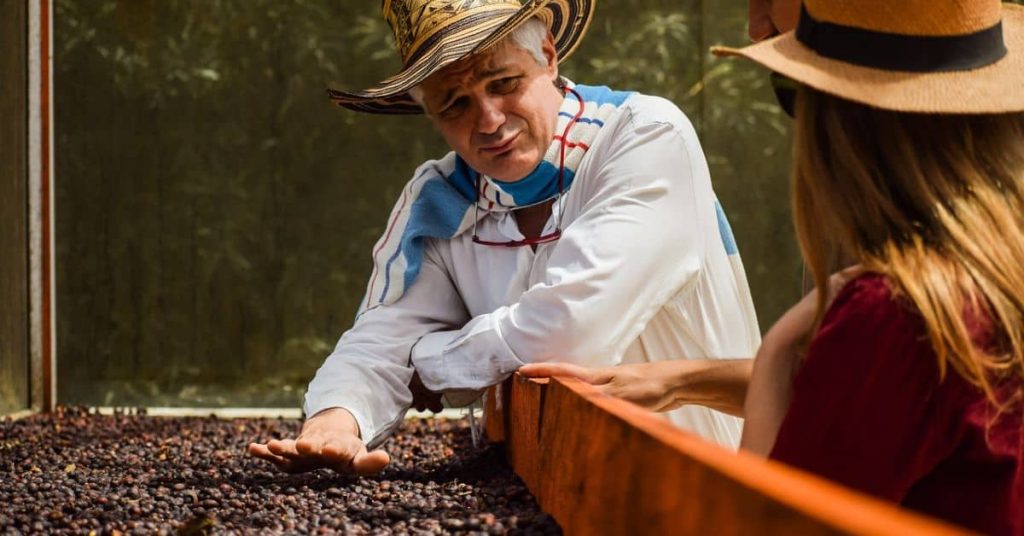
Three Wyoming builds show what worked, what flopped, and how winter chores really feel.
Real numbers mean more once you see them lived out. I asked three neighbors, one newlywed pair near Casper, a Sheridan hobby farmer who blew the budget, and a Cody retiree riding on a fixed income, to share raw wins and fails. Their candid notes echo what University of Wyoming Extension stresses in every clinic: plan for wind, pad the budget 15 percent, and finish weather-tight by Halloween.
What worked for me: Anytime a neighbor opens their gate, I grab a notebook. Field notes beat internet tips every time.
Action steps
- Anchor costs to a spreadsheet early; the Sheridan build shows how drift happens.
- Plant or erect windbreaks first; NRCS calls 60 % density the sweet spot for protection.
- Mock-run winter chores before livestock arrive; the Cody retiree caught a treacherous ice slope this way.
- Bundle inspections: Casper couple tied well, septic, and frame checks into one drive-out fee.
- Shoot a 360° video of chores each season; replay reveals inefficiencies you miss in the moment.
Real stories prove spreadsheets and soil probes are cheaper than do-overs.
Couple’s DIY Windbreak Wins
Emma and Jake closed on 20 windswept acres southeast of Casper in April 2023. Armed with EMT conduit, snow fence, and UW Extension’s windbreak planning guide, they spent three weekends installing a temporary 4-ft barrier while their seedling order rooted in pots.
Step-by-step snapshot
- Weekend 1: set T-posts 8 ft apart, stretched 4-ft cedar-slat fence.
- Weekend 2: drilled 14 lodge-pole pine holes; trees healed in and faced west.
- Weekend 3: stapled woven poly row cover inside the fence for winter.
The result? January bills showed a 31 % drop in propane versus neighbors without shelter. Their hoop-house plastic remained intact while a farm a mile north lost two sheets in the same 58-mph gust.
They stashed anemometer logs in their lender folder; proof of due diligence that sliced loan points by 0.25.
A $1 500 weekend windbreak beats $4 000 in shattered greenhouse panels.
Budget Busts: Projects That Ran 30 % Over
Sara in Sheridan County mapped her costs but skipped contingency. A surprise rock ledge forced blasting the well pad, adding $6 800. Then lumber prices spiked 18 percent mid-frame.
Pain points & fixes
- Rock clause in the well driller’s contract would have capped her cost.
- Lumber hedge: she could have pre-bought framing bundles on contract.
- Scope creep: adding a sunroom mid-build compounded labor mobilizations.
UW’s Barnyards & Backyards guide reminds owners to pad 15–20 percent for “unknowns.” Had Sara done so, her spreadsheet would have remained black.
Contingency isn’t optional; Wyoming’s subsurface surprises eat thin budgets alive.
Retiree’s Winter-Ready Build On $12 K/Yr Budget
Tom, 68, sold a Denver condo and bought 10 acres near Cody for $120 000 cash. Using HB 0003’s 50 % senior tax cut and the $100 000 homestead exemption, his property taxes fell to $480.
Frugal strategies
- Converted a steel carport into a 640 sq ft cabin; zero framing waste.
- Heat-pump water heater + wood stove kept December power to $90.
- High-tunnel EQIP grant paid 75 % of materials, slashing grocery bills 30 percent.
Tom’s tracked spend averages $11 850 per year, well under his $1 100 Social Security check. HB 0003 form PT-110 took him 15 minutes at the county desk.
Senior tax relief plus small-footprint design keeps fixed-income homesteads viable.
360° Winter-Chore Video Walk-Through
Before buying goats, Emma strapped a 360-camera to her chest on a -10 °F February dawn. The playback exposed a five-minute detour around drifted snow and a hydrant handle frozen at half turn.
Lessons captured
- Snow fence repositioned 20 ft windward cut drift height by half.
- Hydrant insulation sleeve installed for $18 prevented freeze-ups.
- LED headlamp upgrade from 200 lm to 600 lm trimmed chore time 12 percent.
- Path gravel added in summer ended icy slips.
NRCS notes that labor efficiency often doubles after layout tweaks, video reveals them fast.
How to replicate
- Clip a waterproof 360-cam to jacket.
- Record chores at dawn and dusk for contrast.
- Review with partner, pause on fumbles.
- Log fixes and re-film next storm.
A $200 camera and one icy morning can save thousands in labor and injury costs.
Your Next Steps Checklist

Print the county checklist, line up inspectors, and finish a two-week decision sprint; no loose ends.
The research is done, now action turns talk into acreage. A tight, two-week sprint keeps momentum, flushes hidden costs, and secures every signature before Wyoming’s weather swings again. I lost my first parcel because I waited a month between survey and well permit, the seller took a cash bid instead. When the next listing popped, I moved in lock-step order and closed in 17 days.
What worked for me: pinning a paper checklist to the fridge. Crossing boxes each evening kept everyone on the same page and flagged any stall in hours, not weeks.
Action steps
- Book inspectors in one call: well, septic, and frame checks often share mileage fees when grouped.
- Email the water engineer a GIS pin; clear up flow doubts before offer.
- Ask UW Extension for a soil test kit; turnaround averages seven days.
- Draft a purchase addendum that keeps your earnest money if mineral rights fail title.
- Pre-fill PT-105 homestead-exemption form; signing at closing speeds tax relief.
- Set calendar alerts for every sprint deadline: miss one and the timeline doubles.
A printed checklist and tight timeline turn information overload into a signed deed fast.
Contact List: UW Extension, Water Engineer, NRCS Office
Talk to the experts before you write checks. UW Extension educators cover every county and charge nothing for site walks; they flagged boron pockets that would have nuked my tomatoes.
Starter roster
| Role | Who to call | Typical reason |
| County Extension Educator | Name on UW directory | Soil tests, crop advice |
| State-licensed water well engineer | Wyoming Board of Prof. Engineers list | Static water level doubts |
| NRCS District Conservationist | Field office map | EQIP grant pre-check |
| County Planning Office | Planner on above PDF page | Setbacks, variance talk |
Tips
- Book one joint site visit; Extension and NRCS often ride together if you ask.
- Record calls in a notebook: dates, names, and promised follow-ups.
- Collect business cards; USDA grants require a point-of-contact line.
What worked for me: My NRCS visit doubled as a prelim EQIP inspection, shaving a full application step.
Keep pros on speed dial: free expertise today prevents five-figure fixes tomorrow.
Two-Week Decision Sprint Plan
A ticking clock forces clarity. This sprint condenses scouting, offers, and due diligence into ten workdays plus two weekend field trips.
Day-by-day outline
- Mon: print checklist, call planner, schedule Extension visit.
- Tue: pull water-rights abstract, request mineral search.
- Wed: compare mill levies and draft offer numbers.
- Thu: drive the parcel with Extension and NRCS, collect soil samples.
- Fri: line-item budget with seller’s disclosures in hand.
- Sat: family vote; does the land fit goals?
- Sun: finalize purchase offer with mineral clause.
- Mon: submit offer, book inspectors contingent on acceptance.
- Tue–Thu: complete loan package, fill PT-105 exemption form.
- Fri: review inspection reports, negotiate credits if needed.
- Sat-Sun: second drive-by at dusk to confirm wind and noise.
- Mon: earnest money and closing date set.
Pad one float day if an inspection runs late, but push hard; winter storms close county roads with no apology.
Compress tasks to 14 calendar days; momentum keeps sellers engaged and costs predictable.
Bookmark & Share: Stay Updated On Rule Changes
Wyoming tweaks tax and zoning codes almost yearly. Missing a change can cost thousands or dig compliance holes.
Useful resources
- Wyoming Legislature tracker: alerts on homestead, ag, and energy bills.
- County planning newsletters: subscribe with one click from the PDF page.
- UW Extension “Barnyards & Backyards” blog: posts frost date shifts and new crop trials.
- NRCS Wyoming Twitter feed: grant deadlines, field-day invites.
- Homesteadingsimple.com updates: we send quarterly cheat-sheet refreshers.
Sharing tip
- Forward this article to your future self (and partner) via email; links survive phone changes.
- Set a calendar nudge every January 10 to skim new legislation.
What worked for me: A Legislature email alert flagged HB 0003’s senior clause six months before passage, letting my folks plan their move.
Subscribing to four free feeds keeps you ahead of every Wyoming rule tweak.
Recap: Homesteading in Wyoming
Relentless wind and a 90-day grow window may feel like Wyoming’s brick wall, yet with season extenders, a solid windbreak, and the new tax perks, you can still raise groceries and goats on wide-open acres. Every challenge above has a fix any determined newcomer can tackle in weekends, not decades.
Got your own Wyoming story, question, or hack? Drop it in the comments and we’ll all learn faster together.
Next, drill into the nuts and bolts of shelterbelts with our step-by-step guide to DIY windbreak fencing or fine-tune crop timing in the mountains with how to build a hoop house.
Whether you’re sketching plans or signing deeds, keep the checklist handy, stay curious, and Wyoming’s high plains will welcome you home.
FAQs: Wyoming Homesteading
Q: Does Wyoming still offer free land lots?
A: No; the “free land” promotions ended years ago. You’ll pay market price, though some towns still rebate permit fees for new builds.
Q: What is the current homestead exemption cap?
A: As of the 2025 tax year you can shield up to $100 000 of your home’s assessed value from creditors and property-tax math.
Q: How deep do wells need to be?
A: Most High-Plains parcels hit reliable water around 220 feet, but pull county drill logs first, depths swing 80 to 400 feet.
Q: Can I get broadband on remote acreage?
A: Usually yes; 100/20 Mbps fixed-wireless or Starlink now covers about four out of five rural addresses, but confirm speed before you buy.
Q: How do I protect crops from 60 mph winds?
A: Install a three-row shelterbelt or a temporary 4-foot snow fence up-wind; that cuts wind velocity roughly in half across the garden zone.
Q: Which livestock need brand inspection?
A: Cattle, horses, mules, asses, and sheep must be inspected whenever they change ownership or cross a county line; goats and pigs are exempt.
Q: How do Food Freedom Act rules help me sell produce?
A: You may sell raw milk, eggs, and most shelf-stable foods direct to consumers without state licensing, provided you label them “not inspected.”
Disclaimer: The information provided in this article is for general informational purposes only and is not intended to be a substitute for professional advice. The author of this article does not claim to be an expert in homesteading and the information provided should not be relied upon to make decisions about your own homesteading journey. Please do your own research and consult with a qualified professional before making any decisions about your homestead.
Share via:
Co-Founder at Homesteading Simple | Horticulture & Sustainable Living Educator | 25 Years in Practical Homesteading