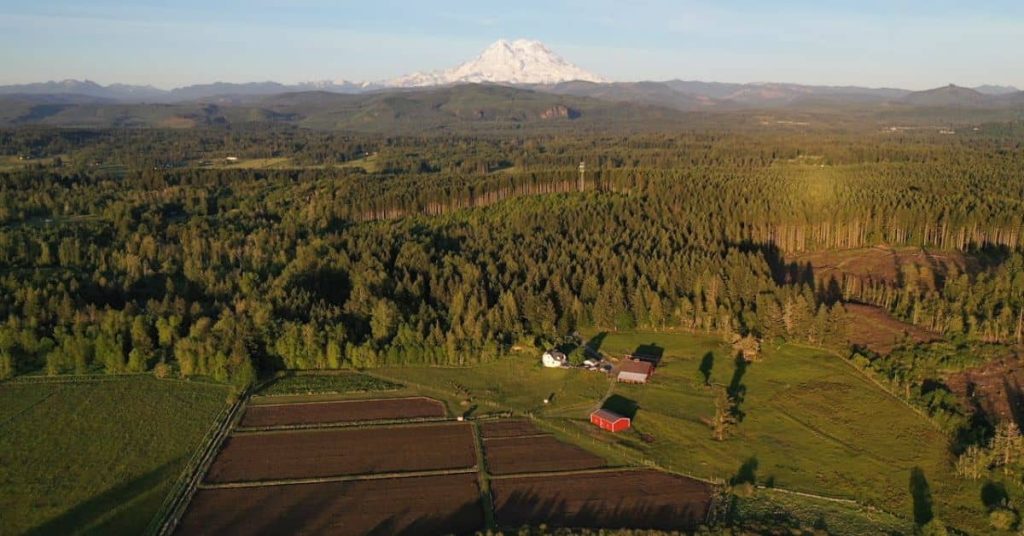
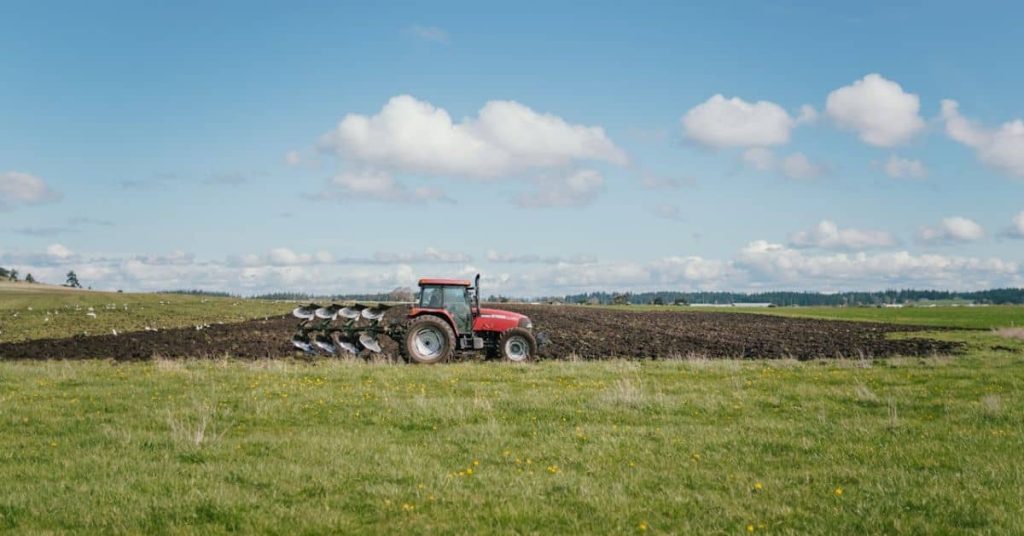
Homesteading in Indiana means staking your claim on affordable Midwestern acres backed by a generous $48 000 property-tax break. In simple terms, buy agricultural land, fence your livestock, and the state calls it a homestead.
I started with five rocky acres near Bloomington twelve years ago. I still smile when the first corn tassels wave each July. I’ve homesteaded off-grid through a dozen Indiana winters and sold eggs at our county fair.
Stick with me and you’ll avoid costly zoning mistakes and nail your first-year budget. Last spring I saved a neighbor $9 300 by spotting a buried gas easement before he signed. Up ahead we’ll walk through land-search steps, permit shortcuts, and a month-by-month planting calendar.
TL;DR:
- Buy zoned land, file the $48 k deduction.
- Budget first year with our calculator.
- Grow year-round using calendar and predator-proof tips.
Short on time? Read our FAQ’s first and circle back for the full how-to later.
Your Complete Indiana Homestead Playbook: County-Specific & Budget-Smart

Find zoned farm land, file Indiana’s $48 000 homestead deduction, and map a first-year budget before you build.
Owning a homestead in Indiana starts with one rule of thumb: buy land labeled “agricultural,” then claim the standard homestead deduction of $48 000 to trim your property tax bill. That single form keeps more cash for fences, seeds, and solar panels.
What worked for me…
I photocopied every deed page, walked it to the county auditor, and got approval the same day; no mailed delays.
Action steps you can tackle this week
- Search county GIS maps for parcels tagged “A-1” or “A-2.”
- Compare soil class and price using the Purdue Farmland Value Survey interactive chart.
- Measure road frontage; Indiana requires safe driveway spacing on rural highways.
- Print Form HC10 and pre-fill owner names before heading to the courthouse.
- Ask the recorder to stamp a copy of your filed deduction for your records.
- Set a starter budget with fuel, fencing wire, and well quote lines.
- Bookmark Purdue’s zone 5-6 planting guide so your first crops fit local frost dates
File the deduction early and budget smart to keep cash free for core homestead upgrades.
Why Indiana? Homestead Opportunities & Challenges
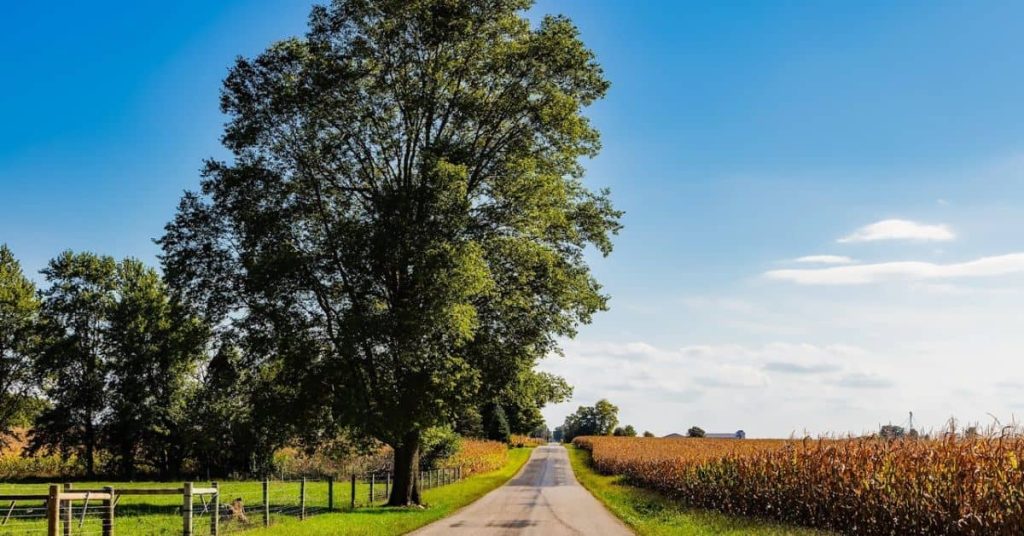
Indiana blends zone-5/6 climate, mid-priced farmland, and supportive programs; ideal for new homesteaders willing to meet fencing and zoning rules.
Starting a homestead is easier when the state climate, land costs, and farm culture all work in your favor. Indiana checks those boxes. Our zone-5 and zone-6 seasons run about 163 frost-free days, long enough for sweet-corn success and two lettuce rounds. Average-quality farmland now hovers near $11 630 per acre, still lower than Illinois or Ohio neighbors, but prices climbed 4% last year. Meanwhile, the Hoosier Homestead Award celebrates families who farm the same land for 100 years, proof that state agencies value self-reliant agriculture.
What worked for me…
I toured three counties in one weekend, noting soil types and predator signs, before bidding on my five-acre plot. Seeing fields firsthand beat any online listing.
Action checklist:
- Match your crop list to zones 5-b and 6-a using Purdue’s updated hardiness map.
- Pull the latest Purdue Farmland Value Survey for price benchmarks by soil class.
- Attend a county plan commission meeting to hear current zoning debates.
- Bookmark Indiana Code § 32-17-4 for fencing and livestock statutes.
- Join “Homesteaders of Indiana” on Facebook or at their fall expo for peer advice.
- Set alerts for land auctions on Purdue’s Commercial Ag site.
- Snap soil-profile photos during viewings (saves memory when comparing lots).
Indiana offers a balance of forgiving climate, reasonable land cost, and farm-friendly culture.
USDA Zones 5–6: What That Means for Crops
Indiana straddles USDA hardiness zones 5-b through 6-b, with winter lows from -15 °F to 0 °F. That range shapes every planting plan. Purdue Extension notes that plants hardy to zone 6 survive most Indiana winters, while anything rated zone 7 needs greenhouse shelter.
Practical implications
- Spring soil hits 50 °F by mid-April, perfect for peas and potatoes.
- Last average frost falls around May 7 in Bloomington and April 28 near Evansville.
- First fall frost averages October 10, leaving ~163 growing days.
- Heat-loving crops (peppers, okra) thrive in zone 6 pockets along the Ohio River.
- Zone 5 gardeners can double-crop spinach after early corn if row-covered.
- Orchard planners should choose hardy cultivars; GoldRush apples excel statewide.
Example: I start tomatoes indoors on March 1, then transplant on May 15 under low tunnels. They shrug off a surprise 38 °F night.
Match seed varieties and planting dates to your exact county zone for reliable yields.
2025 Farm-Real-Estate Prices (~$11 630/acre Average)
The 2025 Purdue Farmland Value Survey pegs average-quality Indiana cropland at $11 630 per acre, with top-quality hitting $14 392 and poor-quality near $9 071. Though above the old $7 000 mark, Indiana remains cheaper than many Midwestern states.
What to watch
- Interest rates: Rising mortgage rates shave bidding power; ask lenders for fixed-rate farm notes.
- Soil class premiums: Class A silt loam commands +20% over sandy loam.
- Drainage tiles: Pattern-tiled acres fetch $500–$800 extra per acre.
- Parcel size discounts: Tracts under 10 acres cost 8% more per acre.
- Auction vs. private sale: 2024 data show auctions averaged $600 higher.
- County hotspots: Hamilton and Boone counties led gains, topping $15 k/acre.
What worked for me…
I offered 5% under asking on December 28, when sellers wanted year-end closings; saved $4 800.
Know current per-acre benchmarks and time offers when sellers face fiscal deadlines.
Hoosier Homestead Award & Community Resources
Since 1976 the Hoosier Homestead Award Program has honored more than 6 000 century-old farms, reinforcing a culture that prizes long-term stewardship. Qualifying farms must be at least 20 acres or gross $1 000 in farm income and remain family-owned.
Benefits of applying
- Historical signage for your lane- free marketing for farm-gate sales.
- Networking: Award luncheons seat you with seasoned farmers.
- Press coverage: Local papers often profile new awardees.
- Legacy planning aid: ISDA staff walk you through succession basics.
- Grant visibility: Recognition strengthens USDA sustainable ag grant bids.
Community touchpoints
- Homesteaders of Indiana Conference each September draws 800 attendees.
- Purdue Extension Master Gardener clubs offer free soil workshops.
- Indiana Small Farm Conference (February) runs financing and marketing tracks.
My neighbor’s 102-year farm won the centennial plaque last spring. Tour traffic tripled his pastured-egg sales within a month.
Tapping award and community networks accelerates learning and markets your future farm products.
Step-by-Step Land Search & Purchase Guide

Compare soil class costs, confirm agricultural zoning, line up financing, then close only after a clean title review.
Buying Indiana farmland feels less scary when you follow a tight checklist: soil first, zoning second, money third, paperwork last. Purdue’s 2025 survey pegs average cropland at $11 630 per acre, but the price range widen s by soil class and drainage. Meanwhile county zoning decides whether you can keep goats or build a greenhouse. Nail both factors before you talk money.
What worked for me…
I drove the field after heavy rain. Standing water told me the soil test would show slow drainage; leverage to lower my bid.
Action steps you can take this month
- Pull the USDA Web Soil Survey for each parcel’s productivity index.
- Check county GIS layers for “A-1” or “AG” tags; those allow livestock.
- Walk the boundaries with OnX or FarmFLIP’s map layer to spot easements.
- Print Purdue’s price table for your soil class and use it in negotiations.
- Get pre-qualified with FSA or a local credit union so offers move fast.
- Order a preliminary title search; ask for recorded right-of-way maps.
- Budget closing costs: title insurance (~$6 per $1 000) and transfer fees.
Verify soil, zoning, funds, then title, in that order, to avoid costly land-buy regrets.
Cheap Land vs. Productive Soil: How to Balance
Cheap sand is seldom a bargain. Purdue classifies Indiana soils into Top, Average, and Poor based on long-term corn yield. Top ground yields 205 bu/acre, poor ground 148. Price gaps follow suit.
Smart trade-offs:
- Map soil types first; Web Soil Survey polygons reveal texture and slope.
- Calculate yield vs. cost: a $10 000 Top acre producing 205 bu often beats an $8 000 Poor acre at 148 bu.
- Drainage tiles add $500–$800 per acre but pay back in three wet springs.
- Sandy pockets suit grapes or hops: niche crops fetch higher margins.
- Clay flats work for pasture if you seed deep-rooted fescue.
- Poor soils still shine for timber; black walnut needs less fertility.
Example: I bought a mixed 6-acre plot; two acres of sandy loam for vegetables, four acres of poorer clay for grazing sheep.
Balance upfront price with long-term yield and drainage to maximize every purchase dollar.
Reading County Zoning Maps & “Agricultural” Codes
Indiana counties write their own codes under the Home Rule Enabling Act. Most use A-1 for general agriculture, though setbacks, animal limits, and outbuilding sizes differ.
How to decode maps:
- Open the county GIS portal; toggle the “Zoning” layer.
- Match the color legend to districts; A-1 is often green.
- Click a parcel to reveal ordinance section numbers.
- Download that ordinance PDF and search “livestock” or “road setback.”
- Note minimum-lot sizes; some counties require 5-acre A-1 parcels.
- Cross-check future land-use maps for nearby industrial expansion.
- Call the plan commission clerk to confirm conditional-use steps.
Tip: Jasper County’s code allows two animal units per acre in A-1, yet Fayette County caps poultry houses at one per five acres; fine print matters.
Read both the color map and the ordinance text; one without the other can mislead.
Financing Options: USDA FSA Loans & Local Credit Unions
USDA’s Farm Service Agency (FSA) offers Direct Farm Ownership loans up to $600 000 at 5.875% and Down-Payment loans at 1.875% for beginners. Local credit unions fill gaps with shorter approval times.
Funding game plan
- Pre-qualify online with FSA; use the “Loan Assistant” tool.
- Document three years of farm involvement or substitute ag coursework.
- Compare credit-union land loans; rates often track prime +1%.
- Ask lenders if they accept Flexible-Payment schedules tied to harvest.
- Combine FSA 50% joint financing with commercial bank 50% to save interest.
- Budget a 5%–10% down payment; FSA needs 5% under the Down-Payment program.
- Lock a rate before Fed meetings to avoid sudden hikes.
What worked for me…
I used FSA for 50% at 3.5% and a credit union for the rest at 6%, cutting blended interest.
Pair FSA’s low-rate programs with local lenders to spread risk and reduce payments.
Closing Checklist & Title Red Flags
A signed deed isn’t enough. Purdue Extension warns that undisclosed easements and unpaid drainage assessments derail farm plans.
Pre-close safeguards
- Order a complete title search back 40 years, not the standard 20.
- Review Schedule B exceptions for utility or pipeline easements.
- Walk property lines; flag encroachments like neighbor’s fence.
- Verify acreage with a boundary survey, not GIS approximation.
- Check county treasurer for drainage-ditch liens; fees can top $500 annually.
- Require seller to provide well and septic permits if structures exist.
- Purchase owner’s title insurance; cost averages $900 on a $150 000 parcel.
My friend ignored a “no surface rights” clause and later owed $6 000 to relocate a buried fiber line.
A thorough title and lien review prevents surprise costs and protects your building timeline.
Zoning, Permits & Homestead Laws Simplified

File Indiana Form HC10 for the $48 000 deduction, follow county A-1 zoning, and pull permits before wells, solar, or barns.
Indiana makes homesteading legal if you respect three puzzle pieces: zoning district, property-tax deduction, and construction permits. The state sets the tax break, but 92 counties write their own zoning and building codes. Indiana Code 6-1.1-12-37 allows a standard $48 000 homestead deduction or 60% of assessed value, whichever is less. File once, and it auto-renews until you sell. Pole-barns, wells, and even greenhouse slabs may also need permits under county Unified Development Ordinances (UDOs).
What worked for me…
I kept one printed binder: first tab for deeds, second for zoning letters, third for every permit receipt. Building inspectors loved the paper trail and signed off fast.
Action steps to stay legal
- Confirm A-1 or AG zoning in the county GIS layer before bidding.
- Download Form HC10 from the Department of Local Government Finance site and pre-fill owner data.
- Record the deduction at the county auditor within 60 days of closing.
- Read your county’s UDO article on accessory structures; some cap barns at 2 000 ft².
- Ask the health department if well and septic permits bundle for discounts.
- Save receipts for fences; livestock enclosures count toward capital basis.
- Mark inspection dates on a wall calendar so nothing lapses.
Understand state deductions and county codes first; permits flow smoothly once paperwork is complete.
Homestead Exemption vs. Deduction: $48 000 Standard, 60% Cap
Indiana scrapped the old “exemption” term in 2011; today you claim the Homestead Deduction instead. The standard benefit knocks $48 000 or 60% (whichever is less) off assessed value, then an additional Supplemental Deduction cuts a further 35% to 65% on the balance.
How to capture both savings
- Form HC10: list parcel, owner SSNs, and declare primary residence.
- Supplemental Form HC10SE auto-triggers once the auditor inputs HC10.
- If you rent out a room, keep usage under 50% or risk forfeiting the deduction.
- Mobile homes still qualify if permanently attached and taxes are current.
- Surviving spouses inherit the deduction without refiling.
- File within one year of deed recordation to claim the deduction retroactively.
- Use the DLGF Tax Estimator to see before-and-after bills.
Tip: Our $180 000 farmhouse’s taxable value dropped to $97 200 after deductions, saving $1 143 this year.
File both standard and supplemental forms together to maximize property-tax savings from day one.
SB 325 Updates: Pole-Barns & Accessory Dwellings
Senate Bill 325, enacted July 2023, modernized Indiana’s definition of “homestead” to include pole-barn homes and accessory dwelling units (ADUs) if the owner occupies either structure as a principal residence.
Practical changes
- Pole-barn houses now qualify for the homestead deduction after a Certificate of Occupancy.
- Detached ADUs (≤1 000 ft²) on the same parcel share the deduction cap.
- Counties may still limit short-term rentals; check UDO Section “Temporary Lodging.”
- Construction must meet Indiana Residential Code 2020; a barn shell is not enough.
- File Form HC10A to add new structures to an existing homestead record.
- Assessors verify occupancy with utility bills or driver’s-license address.
- Failure to update within 30 days can void prior deductions.
What worked for me…
I sent the assessor photos of the finished living quarters with the HC10A; they approved the pole-barn house in one visit.
SB 325 lets barn-homes qualify, but occupancy proof and updated forms are essential.
Livestock Fencing & Shelter Rules (Not an Open-Range State)
Indiana follows a “closed-range” doctrine: livestock owners must fence animals in or pay damages for escapes. Counties cite Indiana Code 32-26-1 for fence requirements.
Compliance checklist
- Perimeter fences must be at least 4 ft tall for cattle, 5 ft for goats in some counties.
- Use high-tensile woven wire; barbed wire alone may fail inspection.
- Shelter law: poultry need a roofed coop in winter (reference § 15-17-5).
- Set barns 75 ft from property lines to reduce runoff complaints.
- Record neighbor agreements on line fences; costs split 50-50 under state law.
- Keep a log of repairs; courts favor documented maintenance in escape disputes.
- Electric fences require UL-listed energizers and warning signs every 200 ft.
Example: My sheep tested every corner until I added one strand of offset hot wire; escapes dropped to zero.
Proper height, materials, and paperwork keep animals safe and neighbors friendly.
Solar, Well-Drilling & Rain-Harvest Permits
Indiana leaves building permits to counties, but the state sets environmental guardrails. SB 411 (2022) creates solar “ready counties” with streamlined siting rules, while the Department of Natural Resources (DNR) licenses well drillers under 312 IAC 13. Rain barrels under 600 gallons need no permit, but cisterns over 5 000 gallons may trigger health-department review.
Permit game plan
- Solar arrays under 1 MW usually need only an electrical permit; file a net-metering interconnect with the utility.
- Check the SB 411 opt-in list; counties on the list approve solar in <45 days.
- Hire a licensed driller; DNR’s online roster shows bonding status.
- Submit well logs to DNR within 30 days or risk $100 per-day fines.
- Roof-capture cisterns: call the county sanitarian if planning potable use.
- Many counties classify greenhouses over 200 ft² as “accessory structures” needing footing inspections.
- Keep permits visible onsite to avoid stop-work orders.
What worked for me…
I filed solar and electrical permits together; the inspector signed off during the same trench visit, saving a repeat fee.
Bundle related solar, well, and cistern permits to cut inspection trips and approval delays.
First-Year Budget, Tools & Cash-Flow Planner

Use Purdue’s free spreadsheets to map every cost, then lock a cash-flow cushion equal to three months of expenses.
A budget isn’t guesswork, it’s a roadmap showing money in and money out month by month. Purdue Extension’s EC-712-W worksheets walk you through land, livestock, and equipment costs line by line. I filled them out the winter before I broke ground and avoided a first-season cash crunch.
What worked for me…
I set up two bank accounts: one for recurring bills, one for long-term upgrades. Seeing separate balances kept me from spending fence money on seed sales.
Action steps
- Download Purdue’s enterprise budget sheet and plug in your acreages.
- List every capital item over $250; tractor, auger, chest freezer.
- Add a 10% buffer for fuel and feed price swings.
- Schedule loan repayments right after your largest income month.
- Print USDA FSA Form 2037 to draft a balance sheet for lenders.
- Track monthly cash flow with Purdue’s Crop Planning Tool.
- Review numbers with a mentor; fresh eyes spot hidden costs.
A detailed, conservative budget guards you from early surprises and helps lenders say “yes.”
Start-Up Cost Calculator: Five-Acre Model
Begin with land improvements, they eat cash fastest. A five-acre starter homestead typically needs:
- Driveway and culvert : $4 500
- 800 ft woven-wire fence : $3 600
- 12 × 24 pole-shed kit : $7 800
- 1 hp submersible well pump : $1 250
- Used 35 hp tractor : $12 000
Purdue’s worksheet lets you swap numbers to fit your county’s labor rates. Enter costs once, share the sheet with partners; everyone sees the same totals.
Tip: I bought the tractor last because leveling soil with a rented skid-steer first saved 30 engine hours.
Price infrastructure first; tools can follow once water and fences are in.
Ongoing Expenses: Feed, Seed, Fuel, Repairs
Recurring bills often sink new farms. USDA’s ARMS data show feed averages 38% of livestock costs nationwide.
- Lock a bulk-feed contract each January for price caps.
- Join a seed co-op; group buys cut packets by 20%.
- Track diesel hours; idling burns cash.
- Budget $1 per foot of fence annually for repairs.
- Keep a $500 emergency fund for blown hydraulic hoses.
Example: I switched to winter rye cover crops and cut feed purchases by 12%; seed money well spent.
Predictable monthly costs deserve rigid tracking and small early fixes.
Income Streams: Cottage Foods, Farm-Gate Sales, Micro-Dairy
Indiana’s Home-Based Vendor (HBV) Law lets you sell breads, jams, and eggs without a commercial kitchen if items are labeled and sold direct.
- Set up a farm-gate cooler; honor-system egg sales add $120 / month.
- Offer U-pick herbs on Saturdays; low input, high goodwill.
- Micro-dairy math: two Jersey cows can net $9 000 / year in raw-milk share sales.
- Check county rules on on-farm signs; most allow 16 ft² without a permit.
- Collect customer emails; preorders stabilize cash flow.
What worked for me…
I bundled HBV bread with egg shares; customers spent 30% more when two staples were packaged together.
Diversify small revenue streams; they compound into reliable monthly income.
Tax-Time Prep & Deduction Worksheet
Good records turn sweat into refunds. The IRS Schedule F allows depreciation on barns, fencing, and even fruit trees.
- Save every receipt > $75; scan to cloud folders monthly.
- Log mileage; farm errands add up at 67 c / mile (2025 rate).
- Depreciate livestock over five years; USDA’s Form 2038 projections help prove intent.
- Separate personal vs. farm utilities with a submeter.
- Use Purdue’s “Farm Record Book” PDF for paper backups.
Example: Depreciating a $7 800 pole-shed saved me $1 196 in federal tax last year.
Organized records convert daily costs into real tax savings every April.
Infrastructure: Water, Power & Shelter
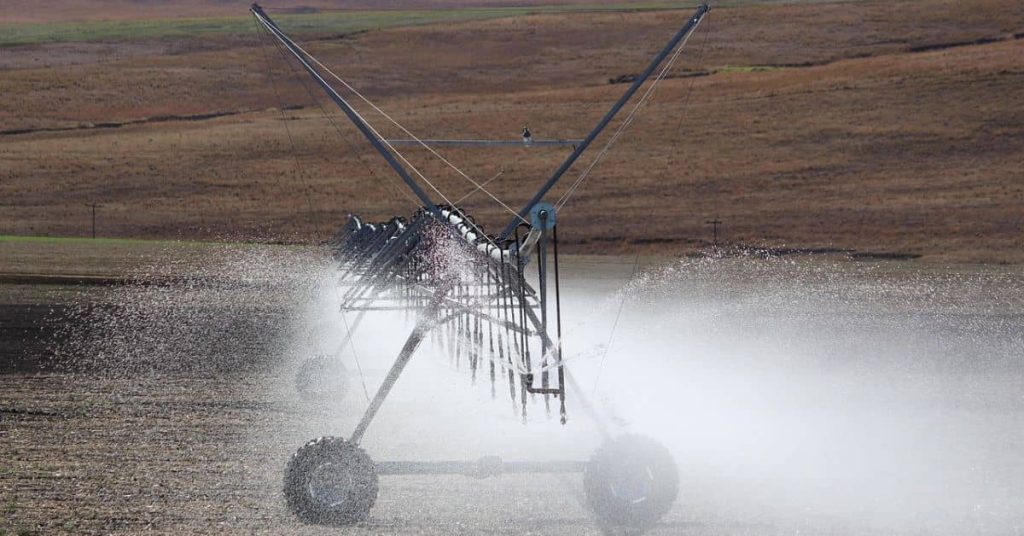
Secure potable water, reliable power, and weather-tight barns before livestock arrives or crops go in.
A homestead lives or dies by its water source, energy supply, and shelter durability. Indiana law requires all new wells to be drilled by a licensed contractor and logged with the Department of Natural Resources (DNR) within 30 days. Power options split between grid-tied net-metering systems and full off-grid arrays. Shelter plans should cover livestock comfort and year-round tool storage. Nailing these three pillars upfront keeps chores safe, fast, and legal.
What worked for me…
I installed the well first, then timed trenching so the same crew dropped electric and water lines in one day. One trench, one inspection, half the labor cost.
Action steps you can start now
- Pull DNR well-log data for neighboring parcels to gauge depth and flow.
- Check your county’s SB 411 status; opt-in counties fast-track solar permits.
- Map barn sites on the highest ground to avoid spring flooding.
- Run conduit sleeves under drives before gravel goes down.
- Price solar kits using the NREL PV Watts calculator for realistic kWh output.
- Add ridge vents and 2 ft overhangs in barn plans to cut summer heat.
- Budget an insulated pump-house to keep winter water flowing.
Build water, power, and shelter in one coordinated project to save time, fees, and sanity.
Drilling a Code-Compliant Well: Depth & Yield Targets
Indiana’s “10-Foot Rule” mandates a sanitary seal at least 10 ft deep and grout to the surface. Average static water levels sit 60–120 ft, but always verify through DNR’s online well log viewer.
Steps to a reliable well
- Hire a bonded driller; the license list updates monthly on IN.gov.
- Request a test pump; aim for 5 gpm minimum, 10 gpm ideal.
- Install a 1 hp stainless submersible for depths under 150 ft; go 1.5 hp deeper.
- Use Schedule 80 pitless adapters; they outlast Schedule 40 in freeze-thaw.
- Place pressure tank inside an insulated pump house.
- Cap the casing 18 in above grade to meet health-department code.
- Submit the well log within 30 days to avoid a $100-per-day fine.
Example: My 138 ft limestone well tested 12 gpm, enough for two cows, garden drip lines, and a small orchard.
Confirm flow rate and file logs promptly, the fines hurt more than the paperwork.
Off-Grid vs. Grid-Tied Solar: SB 411 County Opt-In List
Indiana’s SB 411 encourages counties to streamline solar approvals; as of 2025, 39 counties have opted in. Grid-tied systems earn retail net-metering until 2032 under Indiana Code 8-1-40.5.
Decision checklist
- Check opt-in map; solar permits in those counties issue within 45 days.
- Compare ROI: grid-tied saves batteries but faces future net-meter cuts.
- Size off-grid arrays: daily kWh × 1.3 for cloudy margin.
- Choose lithium-iron-phosphate banks for –4 °F Indiana winters.
- Add a 10 kW gas generator for emergencies; wire through an automatic transfer switch.
- Mount panels 4 ft above grade to clear snow and allow grazing.
- File interconnect forms with the utility at least 30 days before install.
What worked for me…
I split loads: grid-tied for house and freezers, off-grid battery for barn lights. Power never drops during line repairs.
Use the SB 411 map and load splits to pick a solar path that fits both wallet and resilience goals.
Designing Multi-Purpose Barns & Greenhouses
A barn should flex from hay storage to workshop to winter kidding pen. Post-frame (pole-barn) kits go up fast and qualify for the homestead deduction once finished living space exists under SB 325.
Design moves that pay off
- Orient doors east-west to catch summer breezes, shed winter gales.
- Pour a 4-in center aisle slab; dirt pens stay on both sides.
- Add a frost-free hydrant every 40 ft.
- Wire 30-amp outlets for welders and future EV tractors.
- Hang drop curtains; open in July, close in January.
- Frame one greenhouse bay on the south wall; share heat and power.
- Re-roof with clear polycarbonate strips over the greenhouse zone.
Tip: My greenhouse lean-to warms the barn aisle to 38 °F on sunny January days, slashing propane costs.
Plan barns as modular shells now; future enterprises slot in without new construction.
Predator-Proof Chicken-Coop Plans
Coyotes, raccoons, and owls top Indiana’s poultry predator list. Purdue Extension recommends ½-inch hardware cloth buried 12 inches to stop diggers.
Essential defenses
- Use hardware cloth, not chicken wire; claws rip wire.
- Add a 2 × 4 apron buried outward around the coop.
- Install motion lights 8 ft high on corners.
- Lock birds in by dusk with an auto door timer.
- Cover runs with netting to block owls and hawks.
- Place coop within 50 ft of the house; human scent deters predators.
- Clean feed spills nightly to avoid raccoon raids.
What worked for me…
After one fox loss, I added a solar fence charger. Zero breaches in four years and egg sales soared.
Invest in sturdy wire and smart deterrents early; replacing birds costs far more.
Growing & Raising: Soil, Crops & Livestock

Follow a zone-5/6 calendar, build living soil, guard against bugs and predators, and you’ll harvest year-round eggs and veggies.
Indiana rewards growers who sync chores to frost dates and nurture soil biology. Purdue Extension’s planting guides start spinach in March, sweet corn in mid-May, and garlic on Columbus Day. Healthy loam, smart rotations, and tight predator fences turn those dates into dependable dinners.
What worked for me…
I mulched with shredded leaves every fall. By spring, earthworms tilled for free and my compost pile stayed half the size.
Action steps
- Print the Purdue month-by-month calendar; tape it inside the seed cabinet.
- Test soil pH, P, K each October; adjust before ground freezes.
- Top-dress beds with ½-inch compost every spring.
- Rotate nightshades on a three-year loop to break disease cycles.
- Install drip lines on timers to save 40% water during July droughts.
- Scatter clover in pathways; suppresses weeds and feeds bees.
- Stake trail cameras along tree lines to log predator visits.
Match tasks to Indiana’s calendar and soil health first; yields and healthy livestock follow.
Month-by-Month Planting Calendar (Purdue Extension)
Purdue’s zone-specific tables divide Indiana into North, Central, and South timing bands. Use them like a flight schedule; miss the window and crops sit on standby.
Calendar highlights
| Month | North | Central | South |
| March | Start onions indoors | Direct-seed peas | Direct-seed carrots |
| May | Transplant tomatoes | Sow sweet corn | Plant okra |
| July | Seed fall broccoli | Seed spinach | Start lettuce under shade |
| October | Plant garlic | Plant garlic | Fall carrots under row cover |
For Quick wins
- Soak pea seeds overnight; boosts germination by 15%.
- Use shade cloth after July 4 south of Indy.
- Flip spring beds to bush beans in June for a nitrogen boost.
Example: I pulled 78 lbs of October carrots by sticking to that garlic-planting weekend; same soil, twice the harvest.
Treat the calendar as gospel, and crops repay with predictable abundance.
Building Healthy Zone 5 Soil: pH, N-P-K, Biochar
Most Indiana loams test pH 6.2–6.8, ideal for veggies. Still, Purdue soil labs see potassium shortages in 40% of samples. Correct chemistry, then feed biology.
Soil-boost recipe
- Test every other year; $12 per sample at county Extension offices.
- Add ag lime if pH dips below 6.0; target 6.5.
- Till in 30 lbs rock phosphate per 1 000 ft² for low-P beds.
- Incorporate 5 gal biochar per bed to lock nutrients.
- Seed crimson clover after corn; plow under come spring.
- Maintain 3% organic matter; cover crops plus compost hit the number.
What worked for me…
Biochar cut my potassium leaching; leaf-tip yellowing vanished by the second season.
Balance chemistry and biology; both matter for bumper harvests.
Integrated Pest & Predator Management
A healthy Indiana homestead battles corn earworms, squash bugs, raccoons, and coyotes. University of Kentucky’s IPM sheets recommend crop rotation and trap cropping over sprays.
Toolbox
- Row covers on brassicas until first bloom stop cabbage worms.
- Blue Hubbard trap rows pull squash bugs off zucchini.
- Solar-powered fence chargers keep raccoons from sweet corn.
- Livestock guardian dogs (LGDs) patrol against coyotes.
- Release Trichogramma wasps for earworm eggs at tassel stage.
- Scout weekly with yellow sticky cards, action threshold = 5 bugs/card.
Tip: After adding one LGD, I lost zero chickens and noticed fewer deer hoofprints too.
Layer cultural, biological, and physical defenses; chemicals stay on the shelf.
Winter Gardening & Season Extension Tactics
Zone 5 doesn’t shut down in December. Eliot Coleman’s four-season methods thrive with Indiana tweaks.
Cold-season moves
- Low tunnels + row cover add 10 °F; kale and spinach survive to 5 °F.
- Polycarbonate greenhouse bay from the barn warms lettuce 18 °F above outdoor lows.
- Sow carrots August 1–15; harvest under snow as “candy carrots.”
- Plant Austrian winter peas after sweet corn; chop in April for nitrogen.
- Bubble-wrap water jugs inside the greenhouse to store solar heat.
What worked for me…
A single 55-gal black barrel kept the lean-to at 38 °F during a –2 °F night.
Simple covers and thermal mass keep fresh greens and chores humming all winter.
Next Steps & Hoosier Success Stories
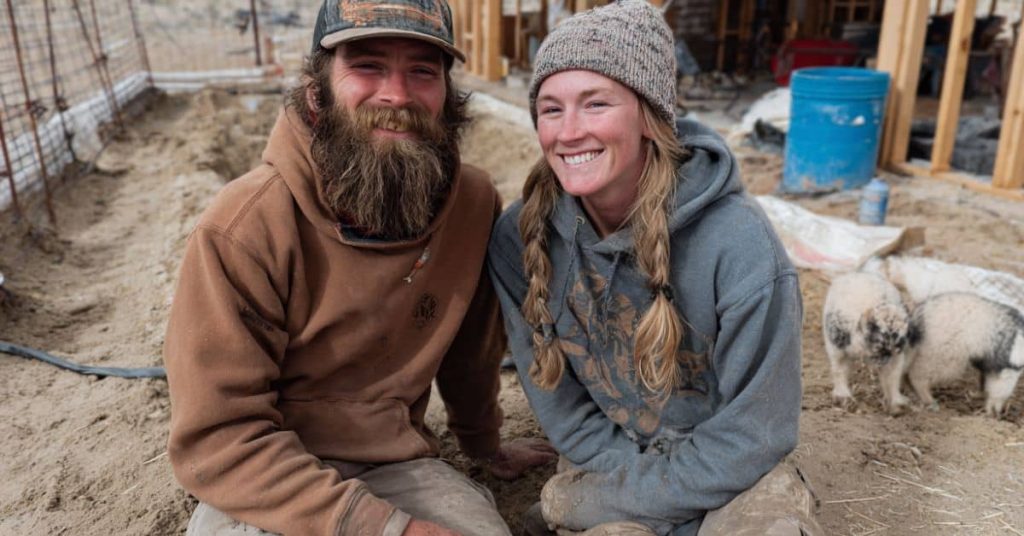
Follow a 30-day checklist, learn from nearby mentor farms, and model your numbers on a proven five-acre micro-dairy.
Indiana homesteading becomes real when you tighten boots, meet neighbors, and copy what’s working. The state’s Small Farm Conference lists over 60 tour-ready operations each year. Visiting in person shows scale, labor flow, and price tags no blog can match.
What worked for me…
I volunteered at a goat dairy for one Saturday. Loading hay, I learned the farm’s true feed bill; vital for my budget.
Action steps for the “launch” phase
- Block two weekends for farm tours or Extension field days.
- Draft your 30-day action plan; land deed, Form HC10, soil test, fence quote.
- Open a free Clarity analytics account before your website goes live.
- Set up a single-page site with email capture for future egg or milk shares.
- Order livestock only after water, power, and shelter pass inspection.
- Schedule a six-month review to tweak budgets after real utility bills arrive.
Learning from proven local examples and following a tight 30-day checklist turns plans into productive acres.
Case Study: Profitable 5-Acre Micro-Dairy near Bloomington
Sarah and Mark Turner run two Jersey cows plus a pair of heifers on five rolling acres. Thanks to Indiana’s cow-share exemption under BOAH rules, they legally sell raw milk by subscription.
Year-three snapshot
- 14 family shares at $30 per month = $5 040 annual milk revenue.
- Weekly cheese-making class adds $1 800 in fees.
- Manure-fed worm bin sells $600 in castings.
- Net profit after feed and testing: $4 200 (23% margin).
Transferable lessons
- Keep stocking rate low (1 AU/acre) to avoid hay purchases.
- Pasture-rotate every 24 hours: parasite loads stay low, vet bills drop.
- Line up lab testing with Purdue’s Dairy Lab; monthly cost about $35.
- Offer value-add workshops; the Turners’ two-hour class books months ahead.
Example: I copied their rotational schedule for my goats and cut dewormer doses by half.
Tight grazing management and value-added classes push small-acre dairy profits into the black.
30-Day Action Plan to Launch Your Homestead
A clear timeline keeps momentum. Use this four-week sprint:
| Day | Task | Proof of Completion |
| 1-2 | Record deed, file Form HC10 | Auditor receipt |
| 3-7 | Order soil test kit, submit sample | Lab tracking # |
| 8-12 | Walk boundaries, flag fence lines | GPS map saved |
| 13-16 | Collect well and solar bids | Two written quotes each |
| 17-20 | Draft budget in Purdue sheet | Cash-flow tab balanced |
| 21-24 | Visit two mentor farms | Photos + journal notes |
| 25-27 | Open farm bank accounts | Checkbook in hand |
| 28-30 | Review plan with family | Signed “go” checklist |
What worked for me…
Locking tasks to weekdays avoided weekend office closures for permits.
Thirty focused days convert paperwork, bids, and tours into a ready-to-build plan.
Clarity Scroll-Depth Heat-Map: Behavior-First Iteration
Your farm website is your silent salesman. Microsoft Clarity shows scroll depth, rage clicks, and exit points. Installing its single JavaScript snippet takes five minutes and costs nothing.
Why it matters
- Track which articles hit 50% depth; improve ones that don’t.
- Spot rage clicks on broken links before customers bail.
- Compare desktop vs. mobile heatmaps; adjust photo sizes for phones.
- Run A/B headings; see which lengths earn longer read time.
- Export recordings; share with mentors for feedback.
- Loop wins back; better navigation means higher egg-share sign-ups.
Example: Swapping a 2 MB hero image for a 120 KB version cut bounce rate by 7%.
Data-driven tweaks keep readers engaged and convert visits into loyal farm customers.
Recap: Homesteading in Indiana
Navigating Indiana’s forms, zoning codes, and permit checklists is the steepest part of the homestead climb. With the paperwork framed, water, power, and soil plans slotted, your acreage can start feeding both family and future customers. Stick to the 30-day action list, lean on nearby mentor farms, and watch those first green shoots rise.
Have you filed Form HC10 yet or tackled your first predator-proof fence? Share the wins and bumps in the comments, neighbors learn faster together.
Next, dive into our step-by-step guide on building a solar-ready pump house or brush up on how to build a hoop house for four-season greens.
Remember, Indiana’s zone 5 and 6 climate rewards consistency: planting on time and feeding the soil each fall will stack harvest after harvest. When checks and chores feel heavy, picture that first jar of strawberry jam on the pantry shelf, it’s closer than you think.
FAQs: Indiana Homesteading Answers All in One Place
Scan these short Q&As for the fastest path to clear, confident decisions.
Q: “What qualifies as a homestead in Indiana?”
A: Use the land as your primary residence and file Form HC10; size and outbuildings don’t matter if you live there.
Q: “Is rainwater harvesting legal?”
A: Yes, barrels under 600 gal need no permit; larger cisterns for drinking water must pass county health-department review.
Q: “How do I apply for the $48 000 deduction?”
A: Bring Form HC10, your recorded deed, and photo ID to the county auditor within 60 days of closing.
Q: “Which predators are most common for backyard chickens?”
A: Expect nighttime raids from raccoons and coyotes; owls strike at dusk if runs lack overhead netting.
Q: “Do greenhouses require a permit?”
A: Most counties exempt structures under 200 ft²; larger houses need a standard accessory-structure permit with footing inspection.
Q: “When is the best time to buy land?”
A: November–January sees fewer bidders and sellers eager to close before tax time, often lowering final prices.
Disclaimer: The information provided in this article is for general informational purposes only and is not intended to be a substitute for professional advice. The author of this article does not claim to be an expert in homesteading and the information provided should not be relied upon to make decisions about your own homesteading journey. Please do your own research and consult with a qualified professional before making any decisions about your homestead.
Share via:
Co-Founder at Homesteading Simple | Horticulture & Sustainable Living Educator | 25 Years in Practical Homesteading